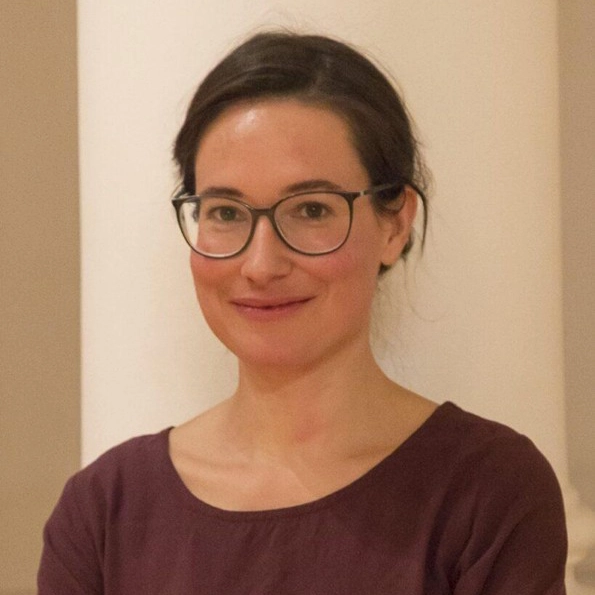
Dina Mendonça

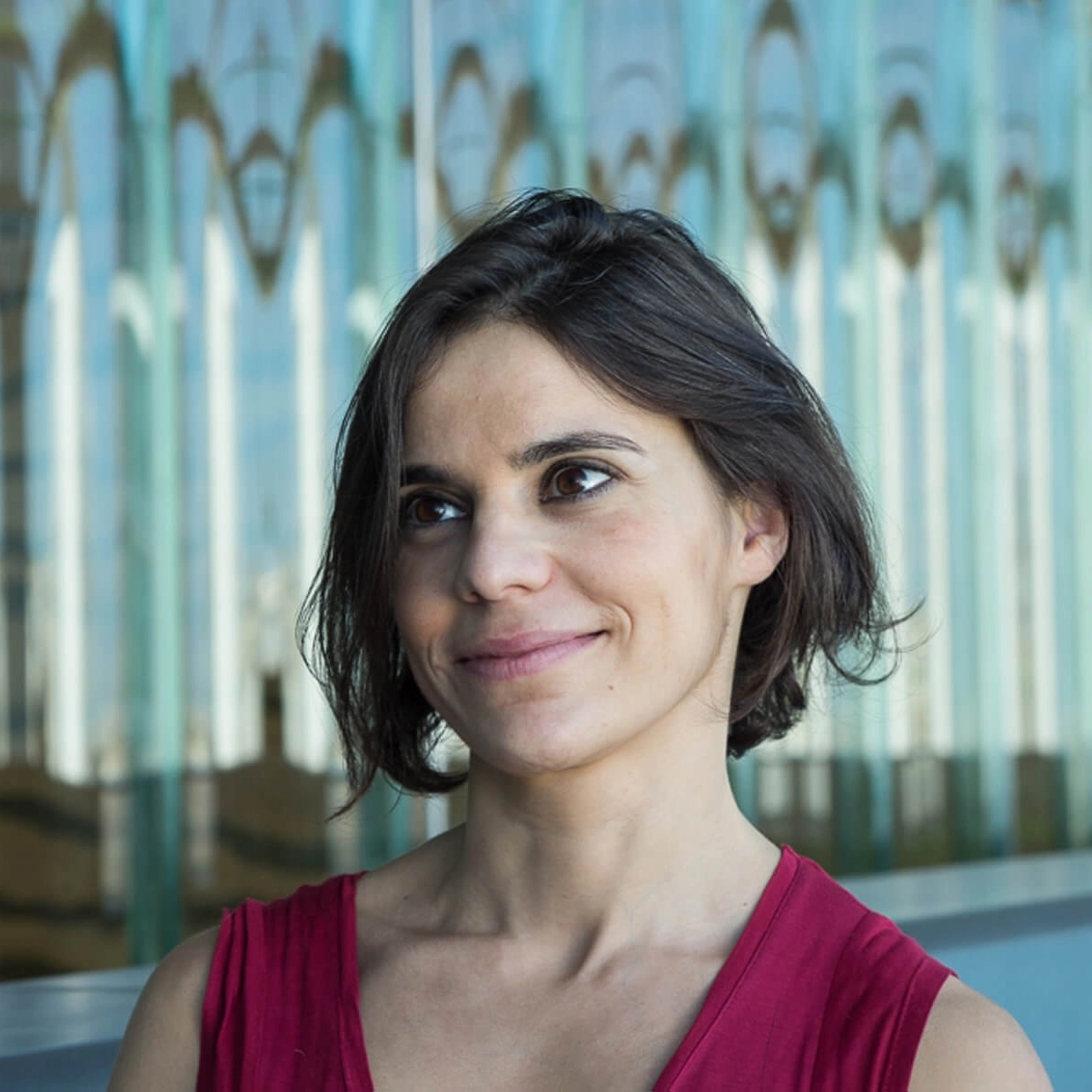
Dina Mendonça (Ph.D. Universidade da Carolina do Sul, EUA, 2003) researches on both Philosophy of Emotion and Philosophy of Education, with special focus on Philosophy for Children. Her research on emotions focuses on developing a Layered Theory of Emotions, which understands emotions within layers grounded taking them as situated and dinamic occurrences (Mendonça 2024). This pragmatist research of Deweyan inspiration aims to elaborate a perspective upon emotions that can provide a philosophical critical stance on theories of emotions clarifying the various issues and benefits of different theoretical takes on Emotion Research, as well as identify some of the main philosophical topics for emotion theory (paradox of fiction, meta-emocional processes, etc.). In addition, she teaches Didactics of Philosophy, focusing on the role of writing for education and ways to foster and promote thinking. She was the PI of the national project P4C-AIM which combines the practice of Philosophy for Children with Argumentative Theory by developing research in the field of Ethics in Philosophy for Children showing how the philosophical field greatly contributes to ethical development of citizens, and how its connection to Argumentation Theory can bring interesting theoretical outcomes to both disciplines https://www.youtube.com/watch?v=qGndOT1ARsA Having been originally trained in Philosophy for Children by the founders of the P4C program, Matthew Lipman and Ann Margaret Sharp, she is the author of several papers in philosophy for children highlighting the importance of philosophy for teaching thinking well (importance of questioning, relevance of refining strategies of thinking with others rigorously, etc.), and she promotes and creates original material for the application of philosophy to all schooling ages. She has worked Philosophy for Children in Portugal since 2005 and co-authored a book with kindergarten teacher Maria João Lourenço, for the application of philosophy for Children in kindergarten, which is the outcome of another previous project carried out in collaboration with Voz do Operário. In addition to participating in a variety of pedagogical projects in a multitude of pedagogical settings (schools; Museums and Cultural Foundations; council pedagogical departments) she has written several papers on philosophy of emotion and the interrelation between emotions theory, ethics and education.